Holy Trinity Church, Pakaraka, is a notable Northland example of timber Gothic Revival architecture. It has important links with Henry Williams (1792-1867), who was a prominent early missionary for the London-based Church Missionary Society (CMS). Opened in 1873, the church was constructed by Williams' wife and family as a memorial to his life. Williams had led the CMS mission in New Zealand after his arrival in 1823 and was responsible for focusing missionary activity on the spiritual conversion of Maori to Christianity. In 1840, he had also played an important role in persuading Maori leaders to sign the Treaty of Waitangi - New Zealand's founding document - having also translated its text.
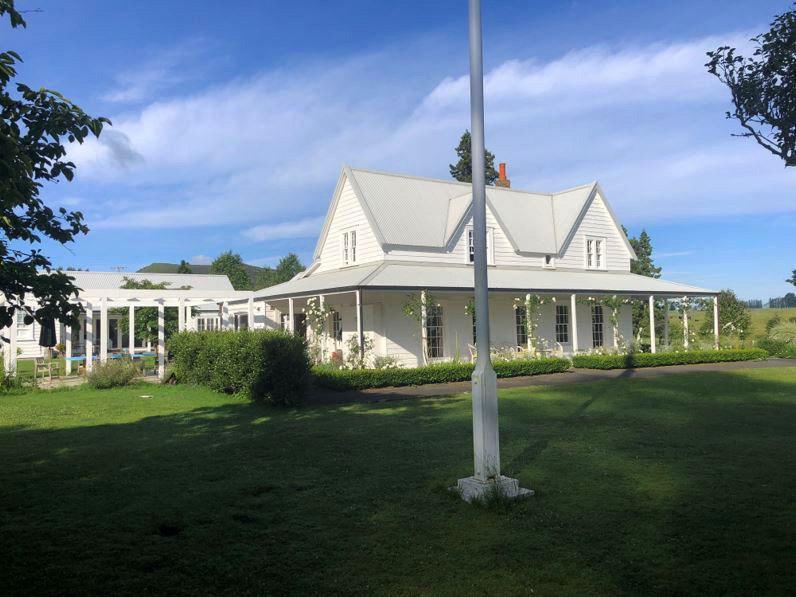
The building replaced an earlier church that Williams had erected on the site in 1850-1851, and lay close to his final residence (see 'The Retreat, Pakaraka'). Both the church and his house were surrounded by an extensive family estate, which totalled at least 3,645 ha (9,000 acres). Complaints about his purchase of this land had caused Williams to be temporarily dismissed from the CMS in 1850, and were still current when the new church was opened in 1873. Official Anglican support for his memory can be seen in the opening of the new building by the first Bishop of Auckland, William Cowie (1831-1902). Several hundred people were estimated to have attended the ceremony. The structure was to serve both Maori and Pakeha worshippers, with visiting Maori accommodated overnight in a nearby hostel. The latter consisted of the earlier church, which had been converted and relocated for the purpose.
Holy Trinity's design combined the use of local timber with an 'Early English' form of Gothic Revival architecture. This was often considered to be the ideal style for a church by mid nineteenth-century Anglicans, partly because of its associations with a specifically English identity. The style mirrors the anglicisation of the surrounding land at Pakaraka, which had been transformed from a network of Maori fields into a 'model farm' planted with exotic grass and trees. The church is said to have been designed by Marsden Clarke, a son of one of Henry Williams' missionary colleagues George Clarke (1798-1875), although the Auckland architect Richard Keals has also been suggested as a potential author.
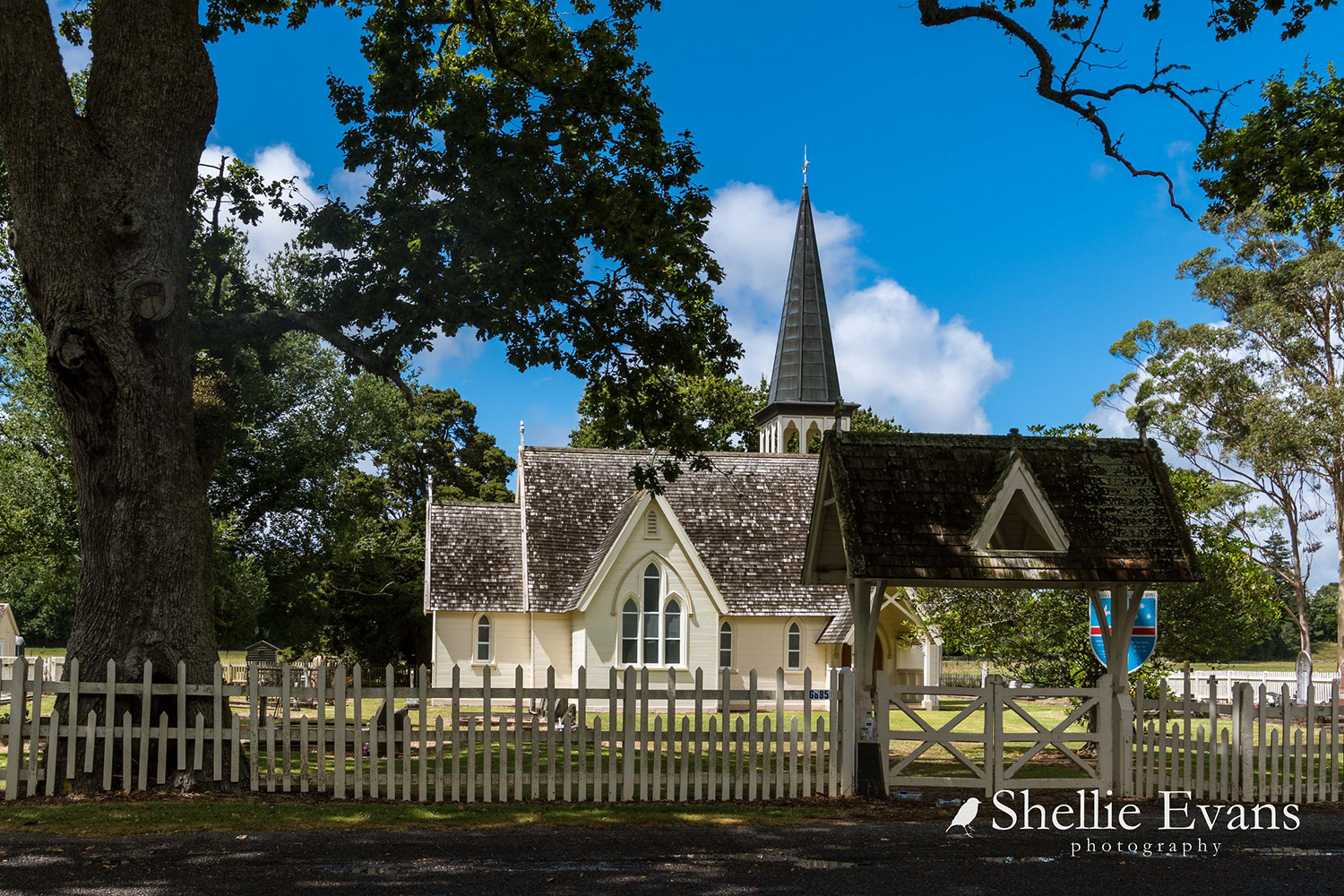
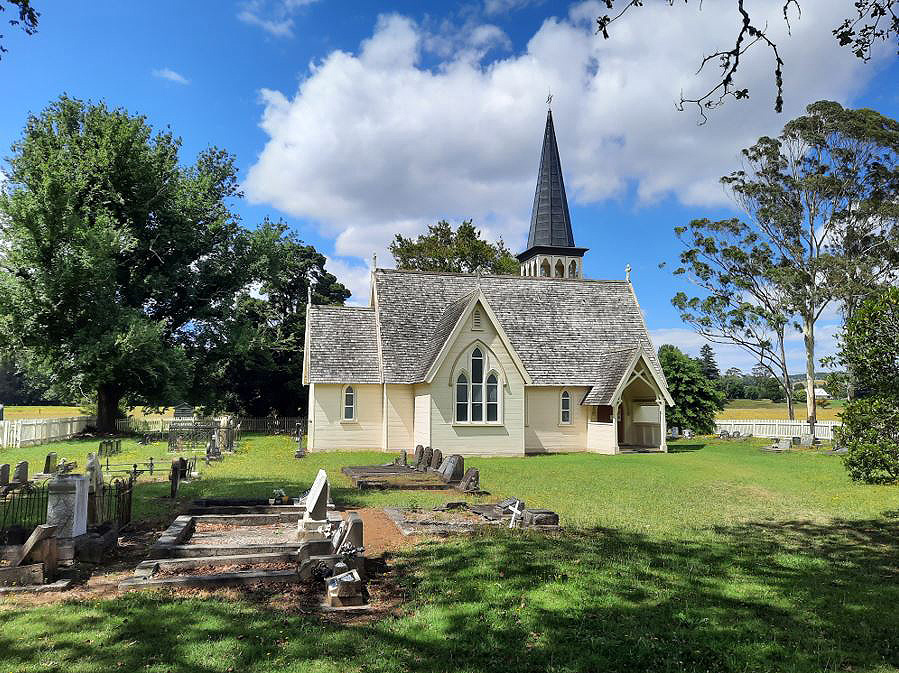
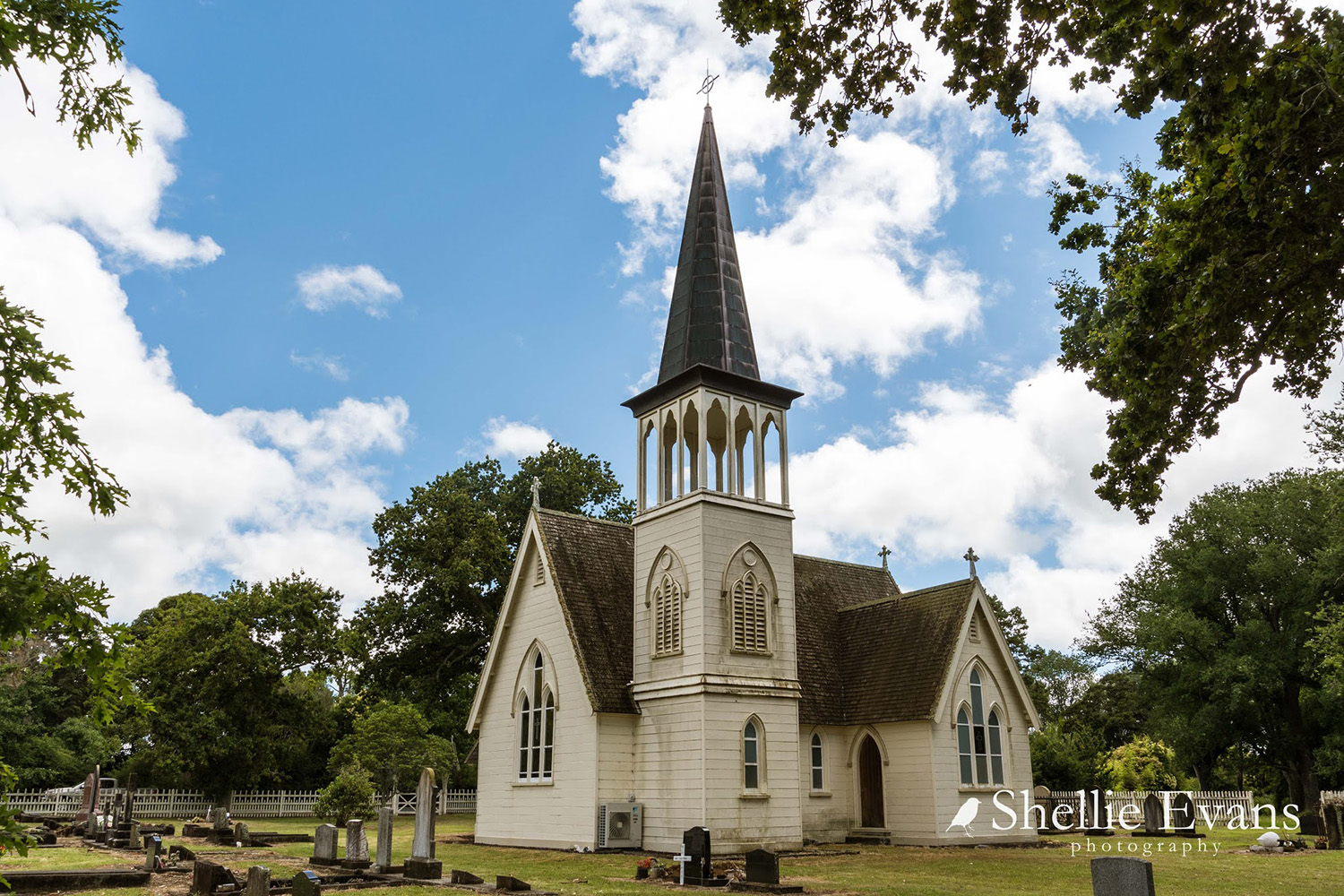
Costing nearly £1000, the church was constructed to a cruciform plan with transepts, a chancel, and a northern porch. A prominent tower and spire - offset on its southern side - contained the original vestry, and marked the building out in the landscape as the religious centrepiece of the family estate. The tower blew down in a gale in 1946, and the vestry subsequently moved to the northern transept, which was previously occupied by the Sunday School. Other changes reflect shifting approaches to liturgy and internal appearance, while the tower was rebuilt as a replica of the original in 2001. The church remains in regular use for religious services and is surrounded by a churchyard in the rural English tradition. This contains Henry and Marianne Williams' burial plot close to the chancel, as well as other early graves - both Maori and Pakeha - a lychgate and several exotic trees.
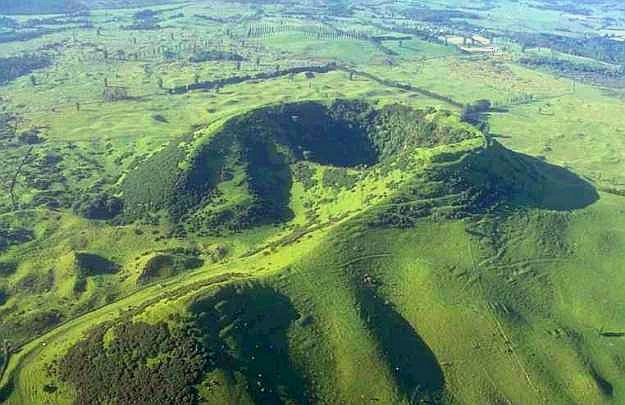
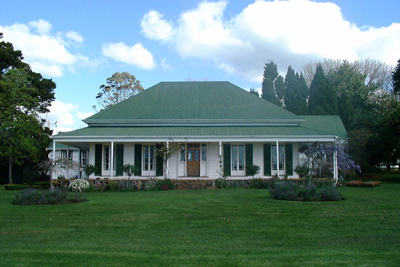
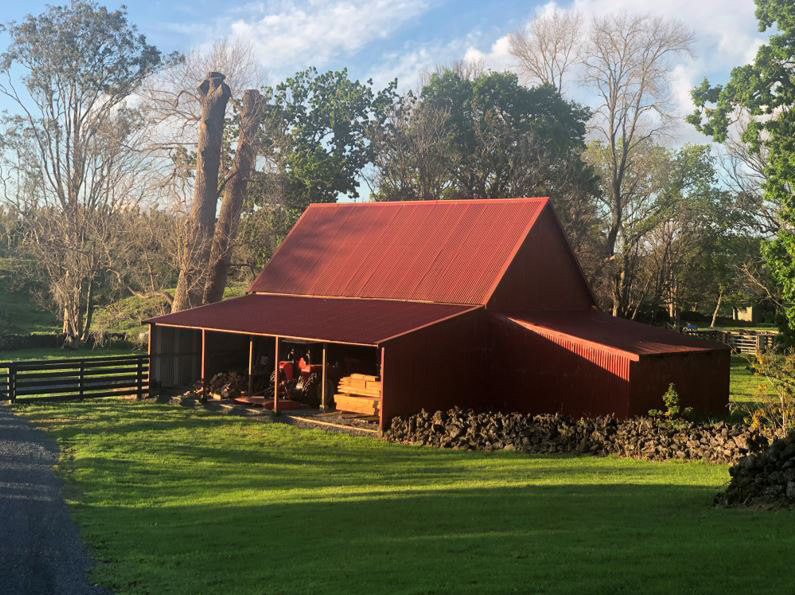
Holy Trinity Church is nationally significant for its links with Henry Williams, and the complex history of missionary interaction with Maori. It is also connected to other members and adherents of the CMS who are buried in the surrounding churchyard. The building is an important example of an early estate church, erected by a prominent landed family. It is a well-preserved example of timber Gothic Revival architecture, expressing nineteenth-century colonial perspectives on religious, and other identity. Both the church and its setting have long been seen to have an aesthetic appeal, based on the 'Englishness' of their appearance. The church has been used continuously as a place of religious worship for well over a century, and as well as having strong spiritual values is significant as a place of communal gathering. The structure is a part of a broader cultural landscape, containing other historic buildings such as The Retreat, significant trees, archaeological sites and the Maori stonefield system surrounding Pou E Rua. The building has strong landmark qualities, underlined by its recently restored tower and spire, and is highly visible from State Highway 1.
The building replaced an earlier church that Williams had erected on the site in 1850-1851, and lay close to his final residence (see 'The Retreat, Pakaraka'). Both the church and his house were surrounded by an extensive family estate, which totalled at least 3,645 ha (9,000 acres). Complaints about his purchase of this land had caused Williams to be temporarily dismissed from the CMS in 1850, and were still current when the new church was opened in 1873. Official Anglican support for his memory can be seen in the opening of the new building by the first Bishop of Auckland, William Cowie (1831-1902). Several hundred people were estimated to have attended the ceremony. The structure was to serve both Maori and Pakeha worshippers, with visiting Maori accommodated overnight in a nearby hostel. The latter consisted of the earlier church, which had been converted and relocated for the purpose.
Holy Trinity's design combined the use of local timber with an 'Early English' form of Gothic Revival architecture. This was often considered to be the ideal style for a church by mid nineteenth-century Anglicans, partly because of its associations with a specifically English identity. The style mirrors the anglicisation of the surrounding land at Pakaraka, which had been transformed from a network of Maori fields into a 'model farm' planted with exotic grass and trees. The church is said to have been designed by Marsden Clarke, a son of one of Henry Williams' missionary colleagues George Clarke (1798-1875), although the Auckland architect Richard Keals has also been suggested as a potential author.
Costing nearly £1000, the church was constructed to a cruciform plan with transepts, a chancel, and a northern porch. A prominent tower and spire - offset on its southern side - contained the original vestry, and marked the building out in the landscape as the religious centrepiece of the family estate. The tower blew down in a gale in 1946, and the vestry subsequently moved to the northern transept, which was previously occupied by the Sunday School. Other changes reflect shifting approaches to liturgy and internal appearance, while the tower was rebuilt as a replica of the original in 2001. The church remains in regular use for religious services and is surrounded by a churchyard in the rural English tradition. This contains Henry and Marianne Williams' burial plot close to the chancel, as well as other early graves - both Maori and Pakeha - a lychgate and several exotic trees.
Holy Trinity Church is nationally significant for its links with Henry Williams, and the complex history of missionary interaction with Maori. It is also connected to other members and adherents of the CMS who are buried in the surrounding churchyard. The building is an important example of an early estate church, erected by a prominent landed family. It is a well-preserved example of timber Gothic Revival architecture, expressing nineteenth-century colonial perspectives on religious, and other identity. Both the church and its setting have long been seen to have an aesthetic appeal, based on the 'Englishness' of their appearance. The church has been used continuously as a place of religious worship for well over a century, and as well as having strong spiritual values is significant as a place of communal gathering. The structure is a part of a broader cultural landscape, containing other historic buildings such as The Retreat, significant trees, archaeological sites and the Maori stonefield system surrounding Pou E Rua. The building has strong landmark qualities, underlined by its recently restored tower and spire, and is highly visible from State Highway 1.